
Enhancing grassroots organizational resilience in a shrinking civic space

MRG and partners in Brazil submit a report on Black and indigenous children with disabilities

One year on from the start of the crisis, violations of migrants’ rights continue in Tunisia

‘Easy Way Out’: pioneering legislative theatre for minority rights in Croatia

The world ending before us: remembering 1994
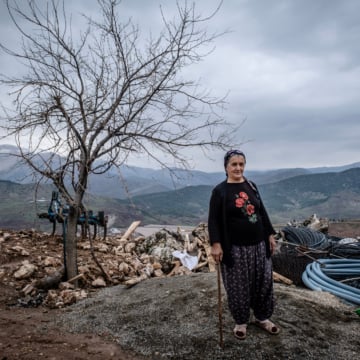
Türkiye’s local elections: the minority lens

Advocacy: a crucial tool for human rights defenders
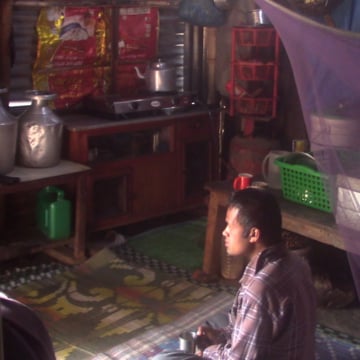
To Belong: An intimate self-portrait of the life of a Dalit in Nepal
MRG urges action on Batwa rights in the Democratic Republic of Congo
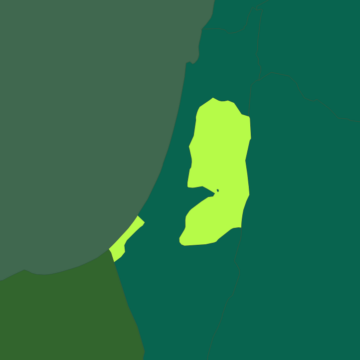
MRG warns against escalating violence against Bedouin communities in the West Bank
Celebrating Batwa heritage
About us
Our strategy
We work with minority and indigenous communities towards a world where they can live in peace and on an equal basis with others.
-
Who we are
We work worldwide with 300 community organizations to defend minority and indigenous rights.
-
What we do
From advocacy and litigation to documentary films and research, our work is tailored to the needs of the communities we work with.
-
Our people
Meet our dedicated team based in 30 countries worldwide.
-
Coalitions and networks
We join forces with like-minded organizations to challenge the power structures that exclude and silence.

Donate to defend diversity
From land rights in Kenya to freedom of religion in Pakistan, you can support our work to defend minority and indigenous rights.
Find out more£15/month
Voices
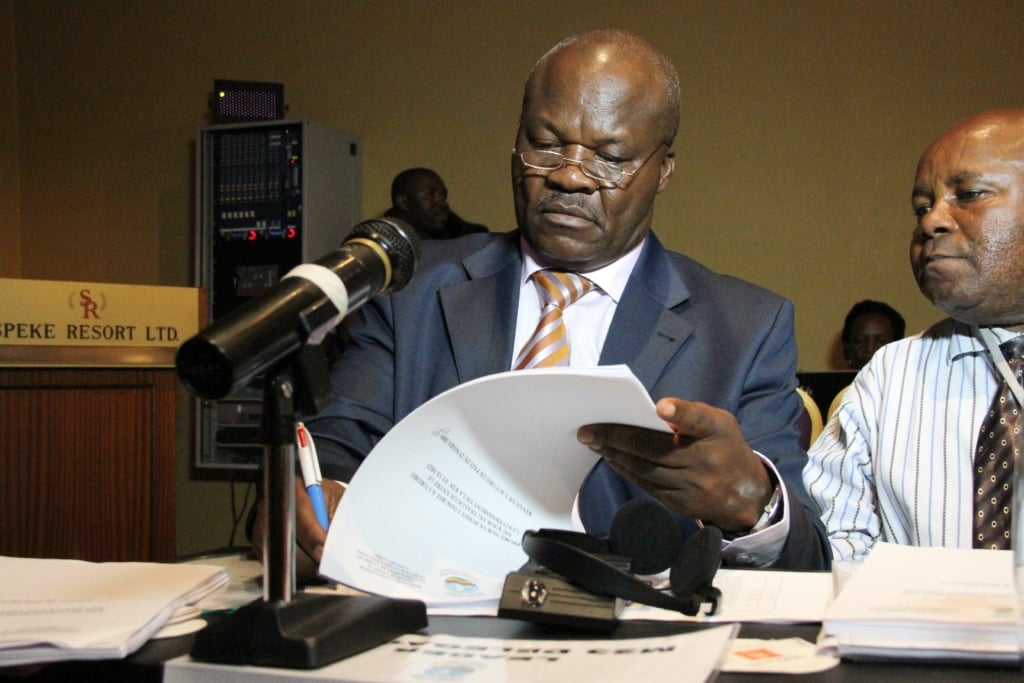
Upcoming Trial of Congolese Warlord in France is a Historic…
On 6 November, three French investigative judges indicted former Congolese warlord Roger Lumbala Tshitenga for his alleged complicity in and conspiracy to commit crimes against humanity including murder, torture, rape, pillage and enslavement, including sexual slavery, in the Democratic Republic of…
-
Memory alone is not enough
To honour the memory of the Holocaust is to translate memory into action. The complicity of states must end. Never again is now. It must be…
-
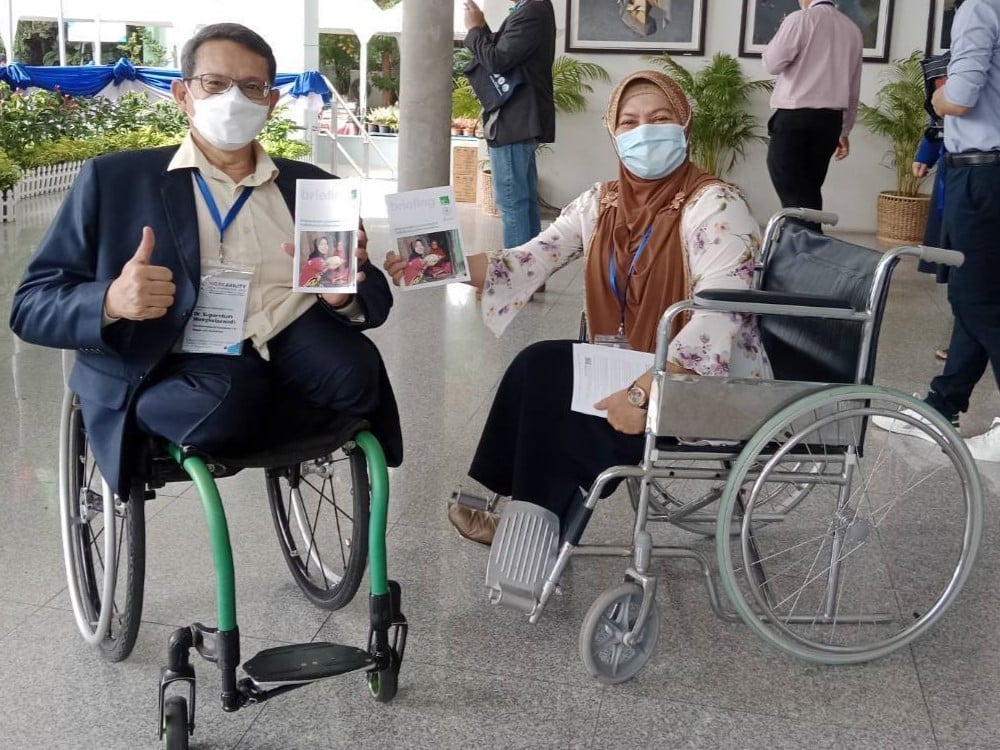
Who can participate in the fight for minority and indigenous rights?
To change your situation, you need to know what your rights are. But the world of human rights and its complex ecosystem of reports,…



-

Our strategy
We work with ethnic, religious and linguistic minorities, and indigenous peoples to secure their rights and promote understanding between communities.
-
-


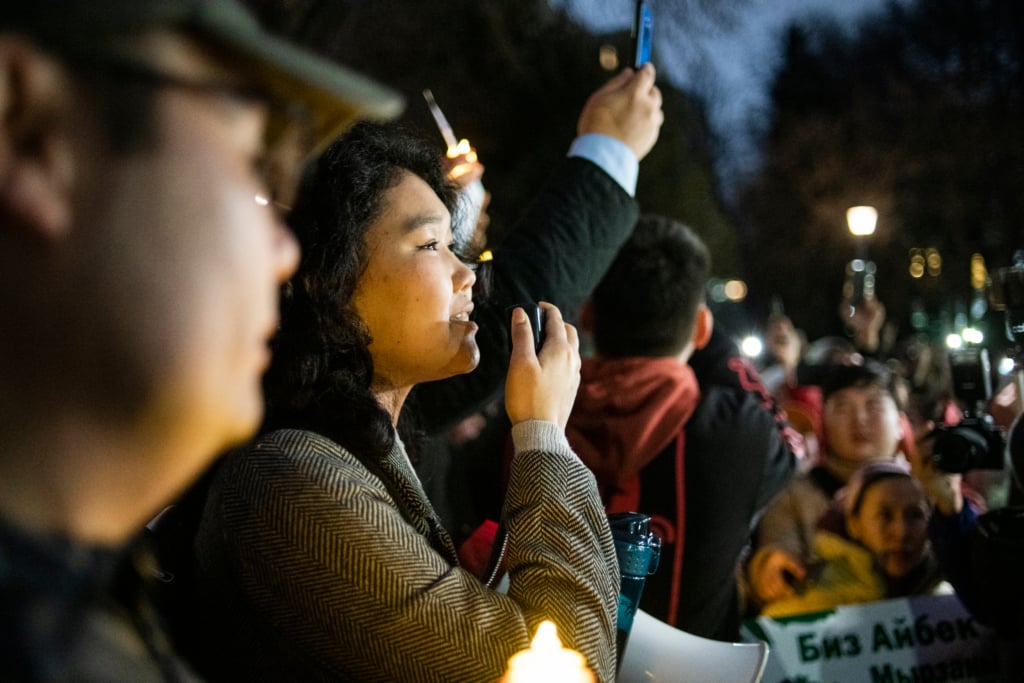
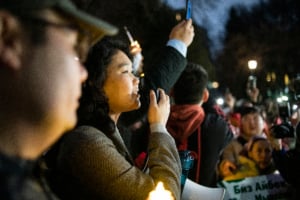 Kasiet Mamyrbay, daughter of detained human rights activist Rita Karasartova, speaking during the #Reaction march, a peaceful protest supporting prisoners in the Kempir-Abad case. Bishkek, Kyrgyzstan. 25 November 2022. Credit: Danil Usmanov.