Resources
For over 50 years, MRG has not only documented the challenges faced by ethnic, religious and linguistic minorities and indigenous peoples worldwide, but also suggested solutions to those challenges.
You will find it all in our resource library below. Use the filters to focus your search.
Looking for our World Directory of Minorities and Indigenous Peoples? You can now find all its information alongside our resources in our interactive world map.
Reports and briefings
-

18 November 2021
Baseline study on the situation of minorities and discriminated groups in Tunisia
Ten years after the uprising of 2011, Tunisia still faces several challenges in terms of non-discrimination and respect for the rights of…
-
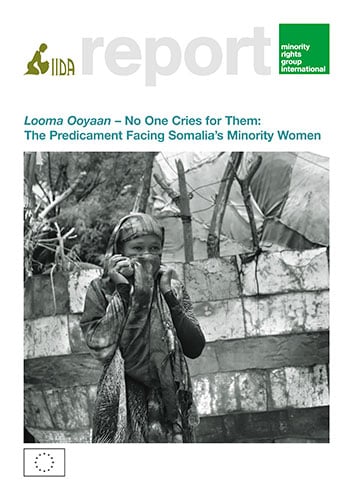
30 January 2015
Looma Ooyaan – No one cries for them: the situation facing Somalia’s minority women
After decades of violence and instability, tentative progress is being made in Somalia to strengthen the country’s governance and…
-

5 August 2004
Gender, Minorities and Indigenous Peoples
While it is generally acknowledged that women suffer discrimination, women who are also members of minority or indigenous communities are…
Partner publications
-

1 February 2021
Strategic Intelligence map: Social Justice
Tragic events have focused more on the structural inequalities and injustices undermining our collective security and economic well-being….