
Yezidis (Ezidis) in Türkiye
Updated June 2018
£15/month
Related content
Latest
-

30 March 2024
Türkiye’s local elections: the minority lens
Tomorrow, millions of people in Türkiye will head to the polls and vote in local elections.
-
21 February 2024
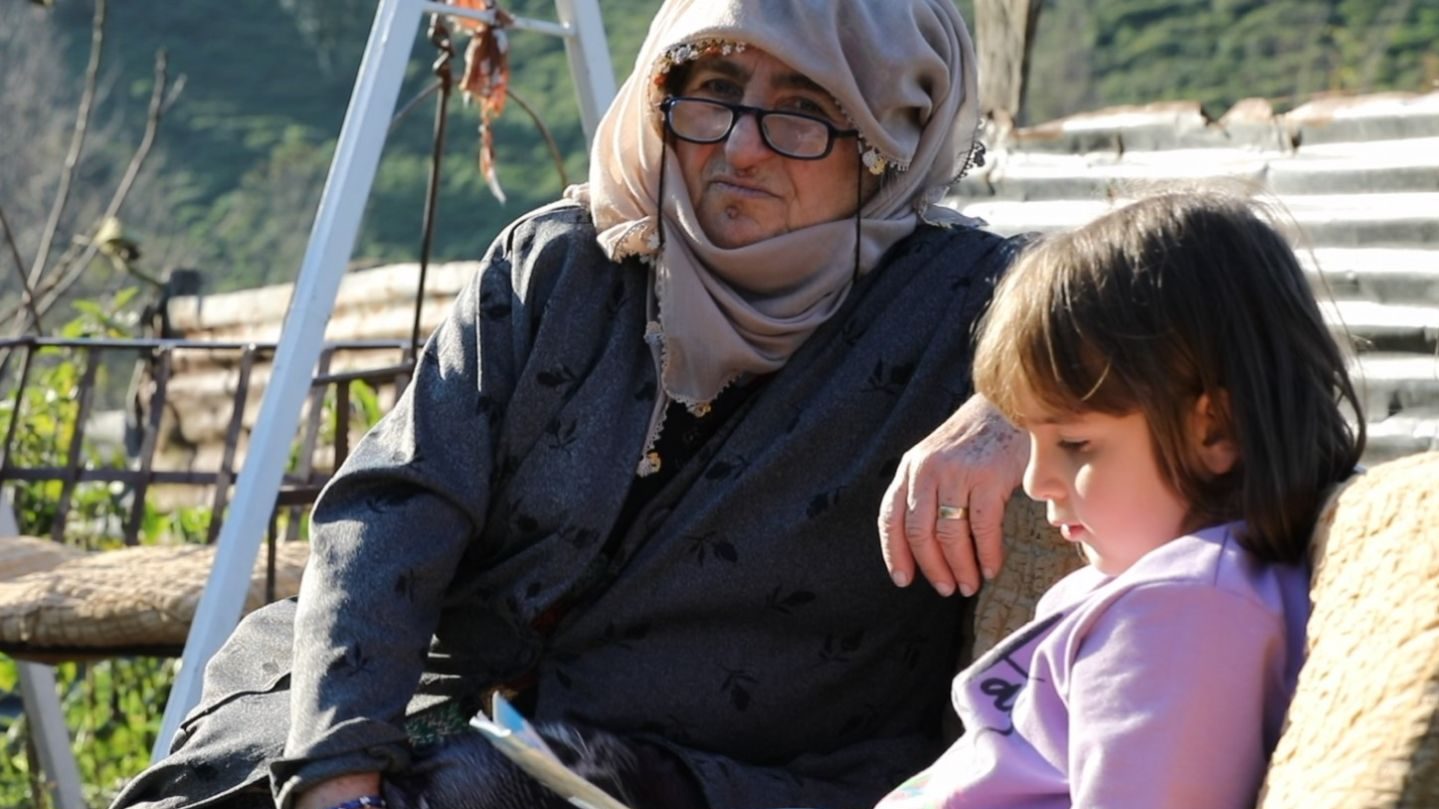
For the love of languages: Meeting on minority tongues in Türkiye
With many of the diverse languages in Türkiye being endangered, some severely, time is of the essence.
Events
-
17 February 2024 • 10:30 am – 5:00 pm EEST
Preserving and reinforcing mother tongue languages in Türkiye: From international practice and experience to local action
This event explored strategies and best practices for preserving and strengthening mother tongue languages within the context of Türkiye….
-

Our strategy
We work with ethnic, religious and linguistic minorities, and indigenous peoples to secure their rights and promote understanding between communities.
-
-